Give Me the Stone: How to Judge a Quality Crystal or Gemstone
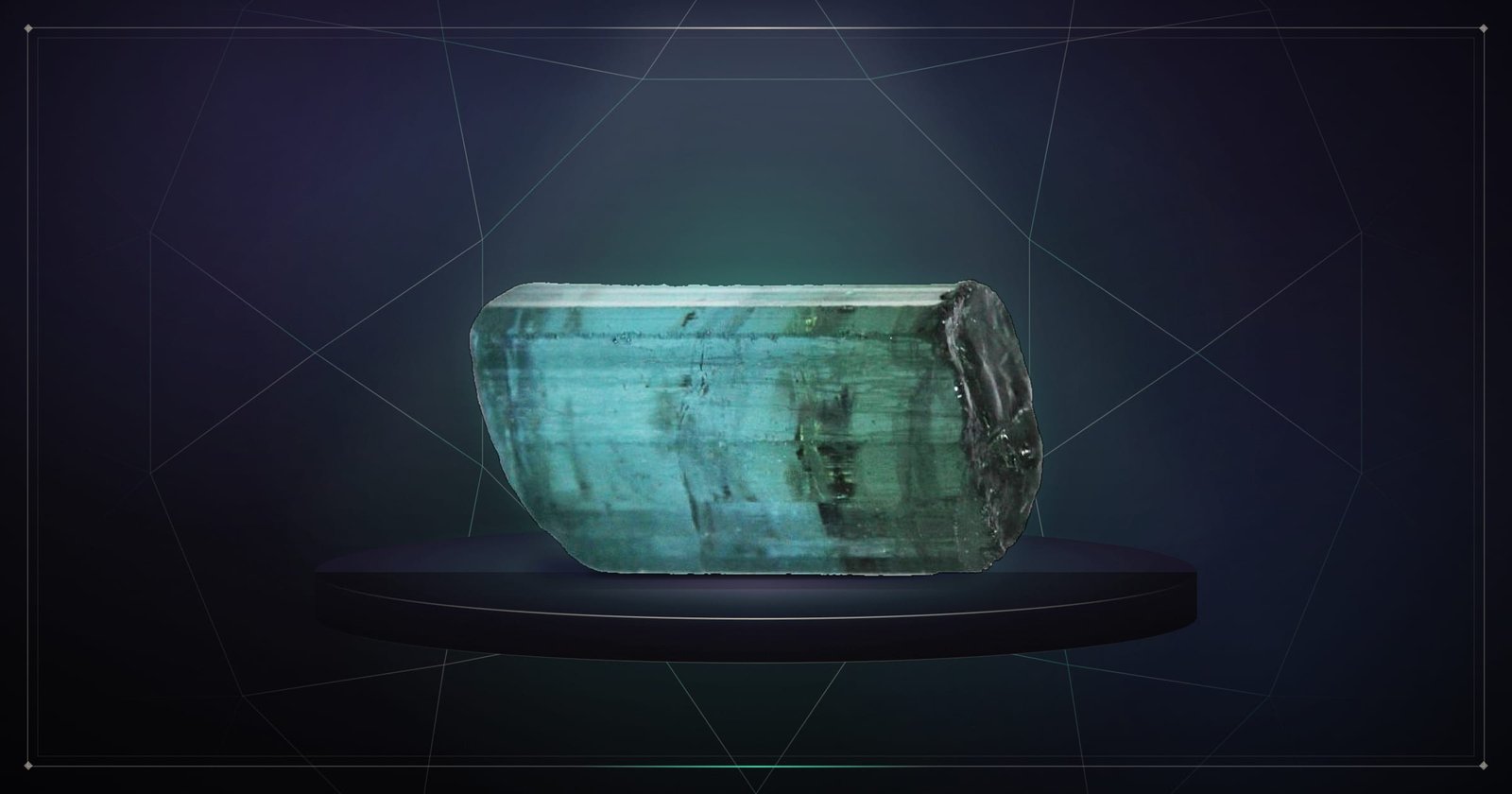
Every rock lover knows the moment. You are browsing calmly, being a reasonable adult, and then you see it: a crystal so bright and so sharp that your hand reaches out before your brain has signed off. Before that hand closes around your wallet, it helps to know what actually makes a crystal or gemstone good. Here is the checklist we use when we choose pieces for the Majestic Mineral and Gem collection.
Why crystal quality matters (even if you just think it is pretty)
Two pieces of the same mineral can look alike in a quick photo and still be worlds apart. One has rich color, glassy faces and clean edges. The other is a little dull, a little chipped and maybe a little glued. The first one will make you happy every time you walk past the shelf. The second one slowly turns into “the rock I should probably dust.”
Judging crystal quality is not about snobbery. It is about getting the piece you think you are getting, at a price that matches what is really in front of you.
1. Color: the first thing you notice
Color is usually what grabs you, and it is one of the biggest drivers of quality. Look for color that is:
- Saturated: deep and rich rather than washed out. Think of the royal purple of a good fluorite or the deep blue of azurite.
- Even, or beautifully zoned: some minerals, like fluorite and tourmaline, show color bands that add character. Patchy, muddy color does not.
- Natural looking: if a stone is an electric shade that nature does not usually produce for that mineral, ask questions (more on treatments below).
Always look at a crystal in more than one kind of light. Daylight near a window is the honest judge. Warm indoor bulbs flatter some colors and hide others.
2. Clarity and transparency
For gem crystals and clear minerals such as quartz, clarity matters. Hold the piece up to a light and look through it. Inclusions (bits of other minerals trapped inside) are not automatically bad: the red hematite in red quartz is what gives it that color in the first place. What you want to avoid are heavy internal cracks that make a stone cloudy, or fractures that reach the surface and could grow.
A simple 10x jeweler’s loupe makes a huge difference here. You will see things your eyes skip right over.
3. Luster: how the surface plays with light
Luster is the way light bounces off a mineral’s surface. Each mineral has its own: glassy (vitreous) for quartz and fluorite, almost diamond-like (adamantine) for vanadinite, silky for velvet malachite, metallic for pyrite. A quality specimen shows its luster fully. If a piece that should be glassy looks frosty or scuffed, it may have been tumbled around in a bin, or it may have been etched or worn by nature. The best specimens look freshly made, even though they took thousands of years to grow.
4. Crystal form: sharpness counts
For crystals and mineral specimens, shape is a big part of the beauty. Look at:
- Terminations: the pointed or flat ends of crystals. Sharp, complete terminations are worth more than broken or ground-down ones.
- Definition: are the faces crisp and the edges clean, like the hexagons on a good vanadinite?
- Composition: how the crystals sit on the matrix (the host rock). A cluster that is balanced and pleasing from the front reads as art. A random lump does not.
5. Damage, repairs and “creative assembly”
This is where careful buyers separate themselves from everyone else. Turn the piece slowly and check every crystal tip for dings, chips and missing corners. Small “contacts” (a spot where a crystal grew against something) are natural and normal. Fresh white chips on a dark crystal are not.
Then look for repairs. Crystals sometimes break off during mining and get glued back on. That is not a crime if it is disclosed, but it should be reflected in the price. Signs include a shiny line of glue at the base of a crystal, a crystal sitting at an odd angle, or a crystal that looks unrelated to the rock it is sitting on. A small UV flashlight helps, because many glues glow under it while the mineral does not.
Now, a confession. Even when you know every one of these checks, there is a moment when a truly great stone comes into view and the checklist briefly leaves your body. Your arm extends. Your palm opens. You are no longer shopping, you are making a royal demand.
That feeling is fine. Just let it pass for a few seconds, then do the checks anyway. Great stones survive inspection, and you will enjoy them more knowing they did.
6. Natural vs treated, dyed or heated
Many stones on the market have been treated in some way. Some treatments are common and accepted, as long as they are disclosed. Others are designed to make a cheap stone pass as something it is not. A few to know:
- Heated: much of the “citrine” sold today is heated amethyst. It tends to be a burnt orange that is darkest at the tips. Natural citrine is usually a softer, paler yellow.
- Dyed: agate and howlite are often dyed into bright colors. Look for color that pools in cracks and bands.
- Stabilized: soft, porous stones like turquoise are often stabilized with resin to make them durable. That is normal practice, but it should be stated.
- Coated: “aura” quartz has a thin metal coating bonded to its surface to create a rainbow sheen. It can be lovely, but it is not a natural color.
At Majestic, we favor natural specimens and we say clearly when a piece has been treated, dyed, stabilized or repaired. You can read more on our FAQ page.
7. Why locality matters
Locality is where a specimen was found: the mine, the district and the country. For collectors it is a big deal. Certain places are famous for producing the best examples of a mineral. Morocco, for instance, is renowned for vibrant red vanadinite and rich azurite and malachite. A specimen from a classic locality usually carries more interest and value than an unlabeled one.
Locality also helps you trust what you are buying. A seller who knows where a piece came from usually knows a lot more about it, too. That is why we list the locality on our pieces whenever our suppliers give it to us, to the best of our knowledge.
Your crystal quality checklist
Save this for your next shopping trip, online or in person:
- Color: saturated, natural for that mineral, checked in daylight.
- Clarity: no deep cracks that cloud the stone or reach the surface.
- Luster: faces shine the way that mineral should, not scuffed or frosted.
- Form: sharp terminations, crisp edges, a pleasing overall shape.
- Damage: tips checked one by one under a loupe.
- Repairs: no hidden glue lines, or any repair clearly disclosed.
- Treatments: heating, dyeing, stabilizing or coating disclosed up front.
- Locality: a real place name, not just “Earth.”
- Honest photos: online, the piece in the photo should be the piece you receive.
- A seller who answers questions: if they cannot tell you what it is, keep walking.
Quick answers
Is a crystal with inclusions lower quality?
Not necessarily. Some inclusions create the color or the charm of a piece. What matters is whether they add to the beauty or weaken the stone.
Is a repaired specimen a bad buy?
Not if the repair is disclosed and priced fairly. Undisclosed repairs are the problem.
How can I check quality when buying online?
Look for multiple clear photos, measurements, weight, locality and a statement about treatments. If something is missing, ask the seller before you buy.
Ready to let the grabby hands win?
Every piece in our shop is a single, one-of-a-kind specimen, photographed honestly and shipped on a clear acrylic display stand. Browse our crystal points and clusters or our mineral specimens, and if you want another photo or a measurement before you decide, just ask us. You can also read our story to see how we choose our pieces.