Uncut Gem Show Energy: How We Hunt the Best Stones (and Your First Show Tips)
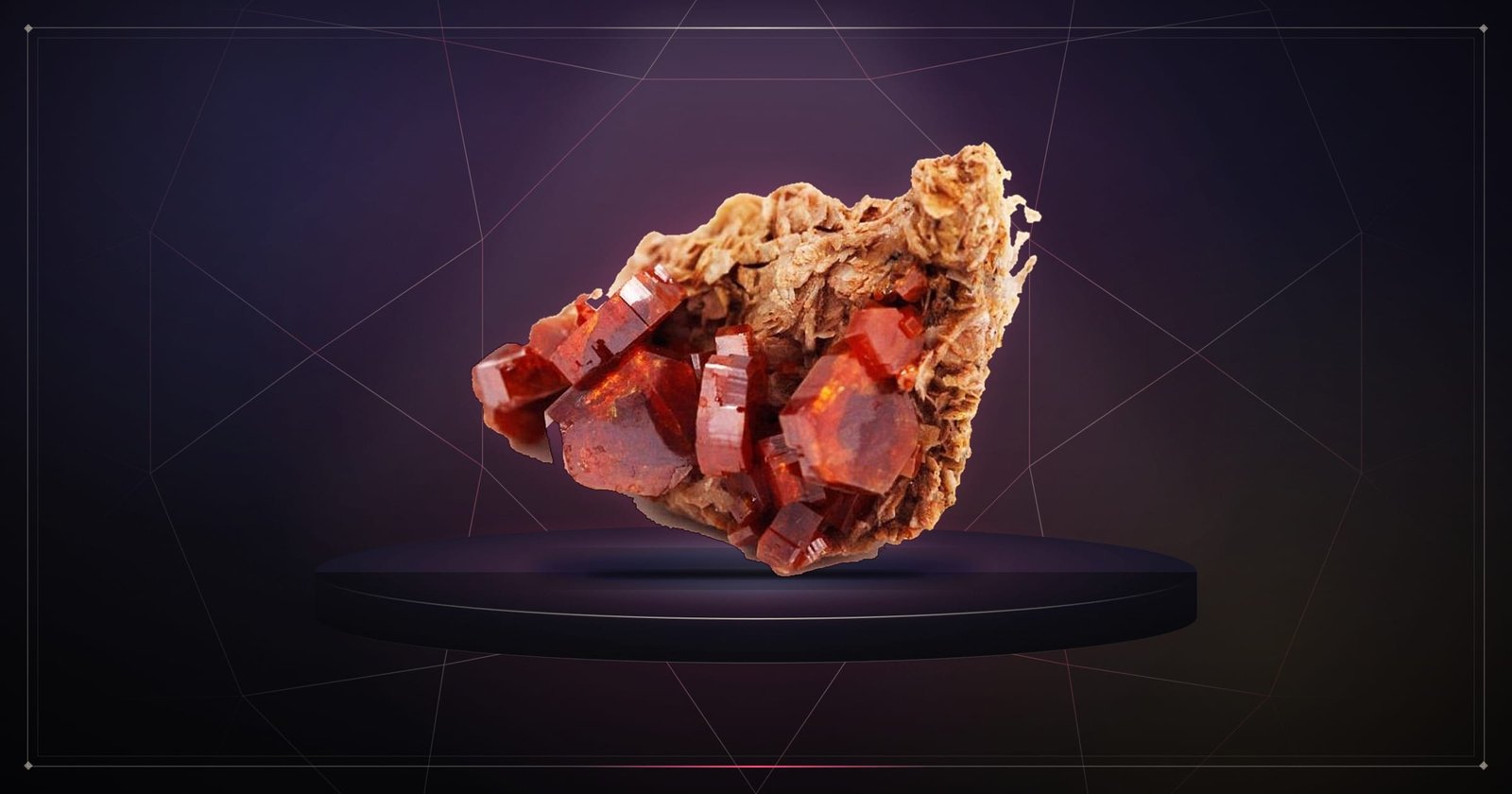
Every stone in our shop started its trip to your shelf somewhere far from Sparks, Nevada. Most of the time, that trip includes a gem show: rows of folding tables, flashlights clicking on and off, and thousands of people who all agreed that this is a perfectly normal way to spend a weekend. Here is how we hunt for the best stones at shows like Gem & Jam, plus our best gem show tips for making your own first show a success.
Gem show season, in a nutshell
Every year, from late January into February, Tucson, Arizona turns into the center of the rock universe. The Tucson Gem, Mineral and Fossil Showcase is not one show but dozens of them, spread across hotels, tents and convention halls all over the city. Dealers arrive from around the world with everything from tiny thumbnail specimens to museum-sized crystals.
Gem & Jam is part of that season. It started as an after-party for the gem shows and grew into a music and art festival at the Pima County Fairgrounds, with live music, live art and gem and mineral vendors side by side. It is a great reminder that rock people know how to have fun. If you want current dates and details, check the festival’s own website, since schedules change from year to year.
Tucson is the biggest stop, but it is far from the only one. Gem and mineral shows happen across the country all year, from big city expos to small club shows in local fairgrounds.
How Majestic Mineral hand-picks stones at shows
Our approach is simple: we look at a lot of rocks and buy very few of them. When we walk a show, we are hunting for pieces with naturally deep, bright and rich color, sharp crystals and real character. Here is what that looks like in practice:
- Booth by booth, piece by piece. We pick up each candidate and turn it slowly under a flashlight, checking every crystal tip for damage.
- The hard questions. Where was it found? Has it been treated, dyed, stabilized or repaired? A dealer who knows their stock answers easily.
- The shelf test. Would this piece stop someone in their tracks on a bookshelf? If it only looks good in the booth lighting, it stays in the booth.
- Walking away. The hardest skill of all. Most pieces we love at first glance do not make the final cut.
Then the chosen few come home, where we photograph them honestly, weigh them, note their locality and give each one its own number. You can read more about how we work on our About page.
Why the hunt is worth it
Here is the truth about gem shows: most of what you see is perfectly fine, and a small amount is extraordinary. You can walk for hours past nice amethyst, decent quartz and pleasant agate, and then turn a corner and there it is. The vanadinite with crystals so red and sharp they look cut. The azurite that sparkles like a night sky.
And when you finally hold that piece in your hand, something happens to your face. All composure leaves. You become a man (or woman) having a full religious experience over a rock, the way Howard Ratner looks at his opal in Uncut Gems, as if the universe itself is visible inside it.
We are not saying we look exactly like that when we find a great piece. We are saying there are no photos to prove otherwise.
Your first gem show: what to bring
A little preparation turns a tiring day into a great one. Pack these:
- Cash: many dealers take cards now, but cash is still welcome, keeps the line moving and can help when you ask about a price.
- A 10x loupe: small, cheap and the single best tool for spotting damage, repairs and inclusions.
- A small flashlight: booth lighting is often dim or very flattering. A bright LED shows the truth. A UV flashlight is a bonus, since many glues glow under it.
- A sturdy bag and padding: bring a tote, some tissue or bubble wrap and a few small boxes. Crystals in a loose bag are crystals with new chips.
- A notebook or your phone: write down which booth had which piece and price. After 40 tables, they all blur together.
- Comfortable shoes and water: you will walk much more than you expect, and some shows are outdoors in the desert sun.
How to inspect a piece at the table
- Ask before you touch. Most dealers are happy to let you handle a piece, but asking first is good manners, and fragile specimens may need care.
- Hold it over the table, not the floor. Gravity is undefeated.
- Turn it slowly in your light. Check color, luster and every crystal tip.
- Check the base and back. Look for glue lines, filler and crystals that seem to belong to a different rock.
- Look at it from arm’s length. A specimen should look good as a whole, not only up close.
For a deeper version of this checklist, see our guide on how to judge a quality crystal or gemstone.
How to talk to dealers
Dealers are some of the most knowledgeable people you will ever meet, and most of them love talking rocks. A few tips:
- Ask about locality. “Where is this from?” is the best opening question at any mineral booth. A specific answer (a mine or district, not just a country) is a good sign.
- Ask about treatments and repairs. “Has this been treated or repaired?” is a normal, respectful question. Good dealers expect it.
- Be polite about price. “Is there any flexibility on this?” works far better than a lowball offer. Buying several pieces from one booth, or shopping near the end of a show, can help.
- Check whether it is retail. Some shows and booths are wholesale only and ask for a business license. Look for signs before you fall in love.
- Do not hover forever. If you need time to think, note the booth and come back. The best pieces do go fast, though, so do not think too long.
Gem show FAQ
Do I need to be a collector to go to a gem show?
Not at all. Many shows are open to the public and welcome first-timers, families and the simply curious.
When is the best time to shop?
Early in the show for the best selection, later in the show for the best chance at a deal. Pick your priority.
What if I cannot get to a show?
That is part of why we do what we do. We walk the aisles, ask the questions and bring back the pieces worth having.
Skip the sore feet
If a road trip to a gem show is not in your plans this year, our shop is the next best thing. Browse our mineral specimens and gemstones, each a single numbered piece shipped on a clear acrylic display stand. Shipping in the US is a flat $8, and free on orders of $100 or more. Have a question about a piece? Our FAQ covers the basics, and we are always happy to talk rocks.