Can You Smell What the Rock Is Worth? Crystal Prices, Fakes and Fair Deals
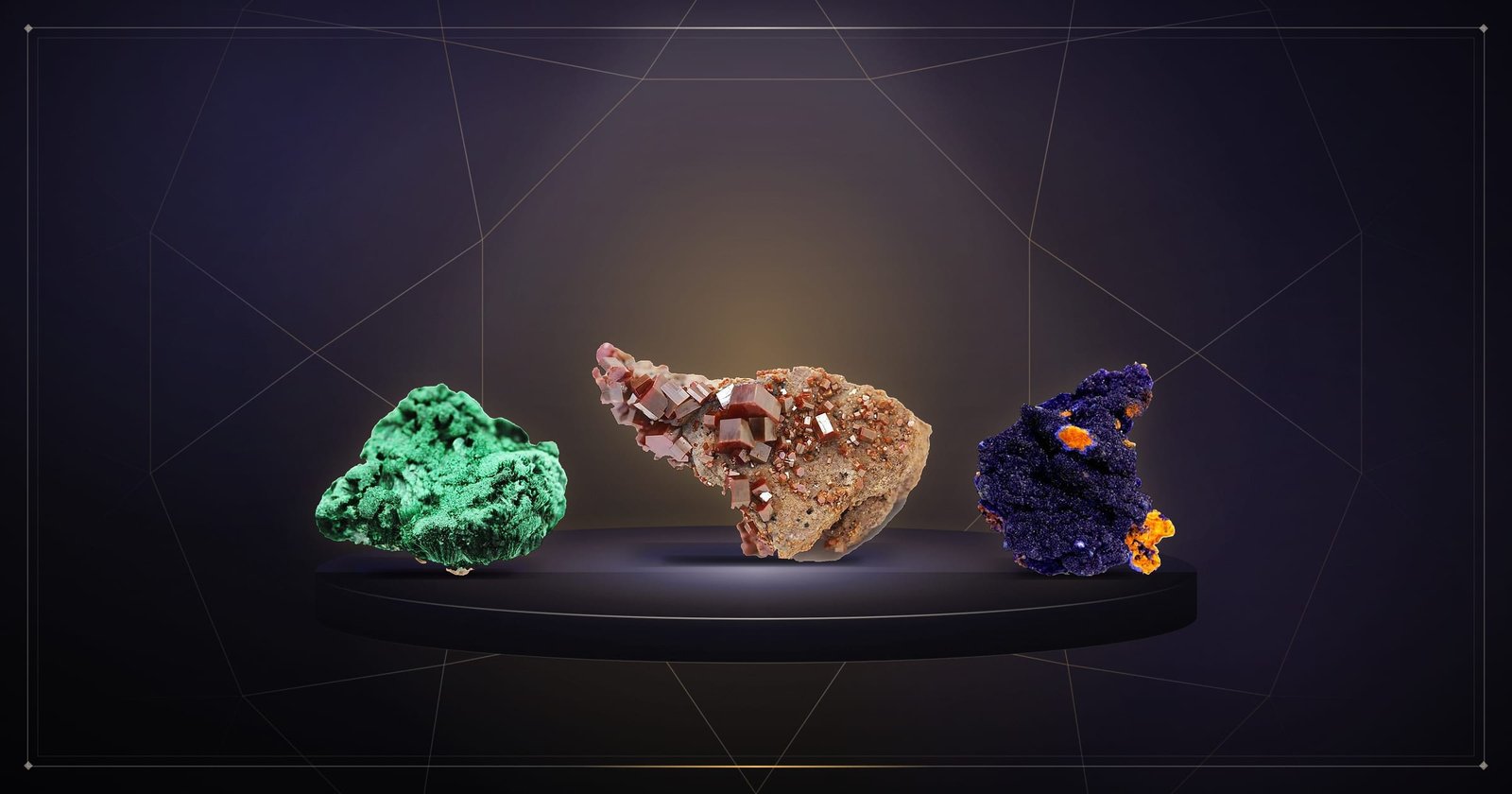
Two crystals sit side by side. They are the same mineral, about the same size, and one costs ten times more than the other. Is somebody running a scam, or is something real going on? Usually it is the second one. Here is what actually drives crystal and mineral prices, how to spot fake crystals and sneaky treatments, and how to tell when you have found a genuinely fair deal.
What drives the price of a crystal or mineral
Mineral pricing is not based on weight alone, and it is rarely about how “powerful” a stone is. These are the factors that really move the number on the tag.
Rarity
Some minerals are found in many places around the world. Others come from a handful of localities, or from a single pocket that was mined out years ago. When supply is limited, prices rise. Common quartz can be very affordable, while a rarer species of similar size can cost far more.
Size
Bigger usually costs more, but not in a straight line. Large, undamaged crystals are much rarer than small ones, so a crystal twice the size can cost many times more. On the other hand, a big lump with poor color can be worth less than a small, perfect piece.
Aesthetics
Collectors pay for beauty: saturated color, high luster, sharp crystals and a pleasing shape. Two specimens from the same mine can differ hugely in price because one simply looks better. If you want the details on what “better” means, start with our guide on how to judge crystal quality.
Locality
Where a specimen was found matters a lot. Classic localities known for producing the finest examples of a mineral often command higher prices. Moroccan vanadinite and azurite are good examples of minerals collectors seek out by locality. A piece with a clear, specific locality is generally worth more than an unlabeled one.
Condition
Damage lowers value. So do undisclosed repairs. A specimen with every crystal tip intact is worth noticeably more than the same piece with a few chips or a crystal glued back on.
Demand
Trends are real in the rock world. When a mineral becomes popular on social media, prices can jump. When a new find floods the market, prices can dip. Buying what you love, rather than what is trending, protects you from paying hype prices.
How to spot fake crystals and undisclosed treatments
Not every stone is what its label claims. Here are the most common fakes and treatments you will run into.
Glass pretending to be crystal
Molded or cut glass is sold as quartz, “obsidian” in unlikely colors, and other stones. Clues include tiny round bubbles inside (natural crystals do not have perfectly round gas bubbles), mold seams, and a surface that feels slightly warm to the touch faster than real quartz does. Note that “opalite” is a man-made glass. It can be pretty, but it is not a natural mineral.
Dyed agate and howlite
Agate is often dyed hot pink, electric blue or bright purple. Howlite, a white stone with gray veins, is often dyed blue and sold as turquoise. Look for color pooling in cracks, veins and bands, colors that seem too neon for nature, and whole bins of identical bright pieces.
Reconstituted and stabilized turquoise
Stabilized turquoise is real turquoise treated with resin to make it durable, a common and acceptable practice when it is disclosed. Reconstituted turquoise is a different story: turquoise powder or chips mixed with resin and formed into blocks. It often looks very uniform and is sold far below the price of natural material.
Heated “citrine”
Much of the bright orange “citrine” on the market is amethyst that has been heat treated. Clusters with deep orange tips and whitish bases are a common giveaway. Heat treatment is not a crime, but it should be disclosed and priced accordingly.
“Aura” coatings
Aura quartz, angel aura and similar rainbow crystals are made by bonding a very thin layer of metal to the surface of quartz. The result can be striking, but the color is not natural, and an honest seller says so. If someone tells you aura quartz “grows that way,” you have learned something useful about the seller.
Once you know these tricks, something changes. You start walking into shops and shows with a new sense, a kind of rock radar. You raise one eyebrow, take a long, thoughtful breath, and just know when a deal is real and when it is a dyed piece of howlite in a turquoise costume.
Is the sniff scientific? No. Is it the face you will make once you can read a stone? Absolutely. Here is what your nose is actually detecting.
Red flags to watch for
- Prices that are too good to be true for a rare mineral or a large, perfect crystal.
- Vague or missing locality, or a seller who changes the answer when asked twice.
- No mention of treatments on stones that are very often treated, such as citrine, turquoise and brightly colored agate.
- Stock photos or “similar item” photos instead of pictures of the actual piece.
- Bold health promises. Crystal lore is a lovely tradition, but a stone is not medicine.
- No way to ask questions or no return policy at all.
Signs of a fair deal
- Specific details: mineral, locality, size and weight listed clearly.
- Honest photos of the exact piece, taken in clear light.
- Treatments and repairs disclosed up front, without you having to dig.
- A price that matches the quality, not just the size or the trend.
- A seller who answers questions and stands behind the sale with a clear return policy.
Why buying from a curator matters
A curator does the hard part for you. At Majestic Mineral and Gem, we hand-pick our pieces at shows across the country (you can read how in our gem show guide), checking color, crystals, damage and locality before anything comes home. Every specimen in our shop is a single, numbered piece, and the one in the photos is the one you receive. We favor natural specimens, and if a piece has been treated, dyed, stabilized or repaired, we say so in its description.
We also make buying simple: shipping within the US is a flat $8, free on orders of $100 or more, and if you are not happy with your specimen, you can contact us within 14 days of delivery to return it. The details are on our FAQ page.
Quick answers
Is a more expensive crystal always better?
No. Price should reflect rarity, quality, locality and condition. A high price on an ordinary stone is just a high price.
Are treated stones bad?
Not at all, as long as the treatment is disclosed and the price reflects it. The problem is only when it is hidden.
Can I test a crystal at home?
A loupe, a bright flashlight and a careful eye catch most fakes. Scratch tests and chemicals can damage a specimen, so leave those to the experts.
Trust your nose, then trust the details
When your rock radar says yes, back it up with the facts. Browse the full collection, from crystal points and clusters to mineral specimens, and if you want another photo or more about where a stone came from, just ask us.